
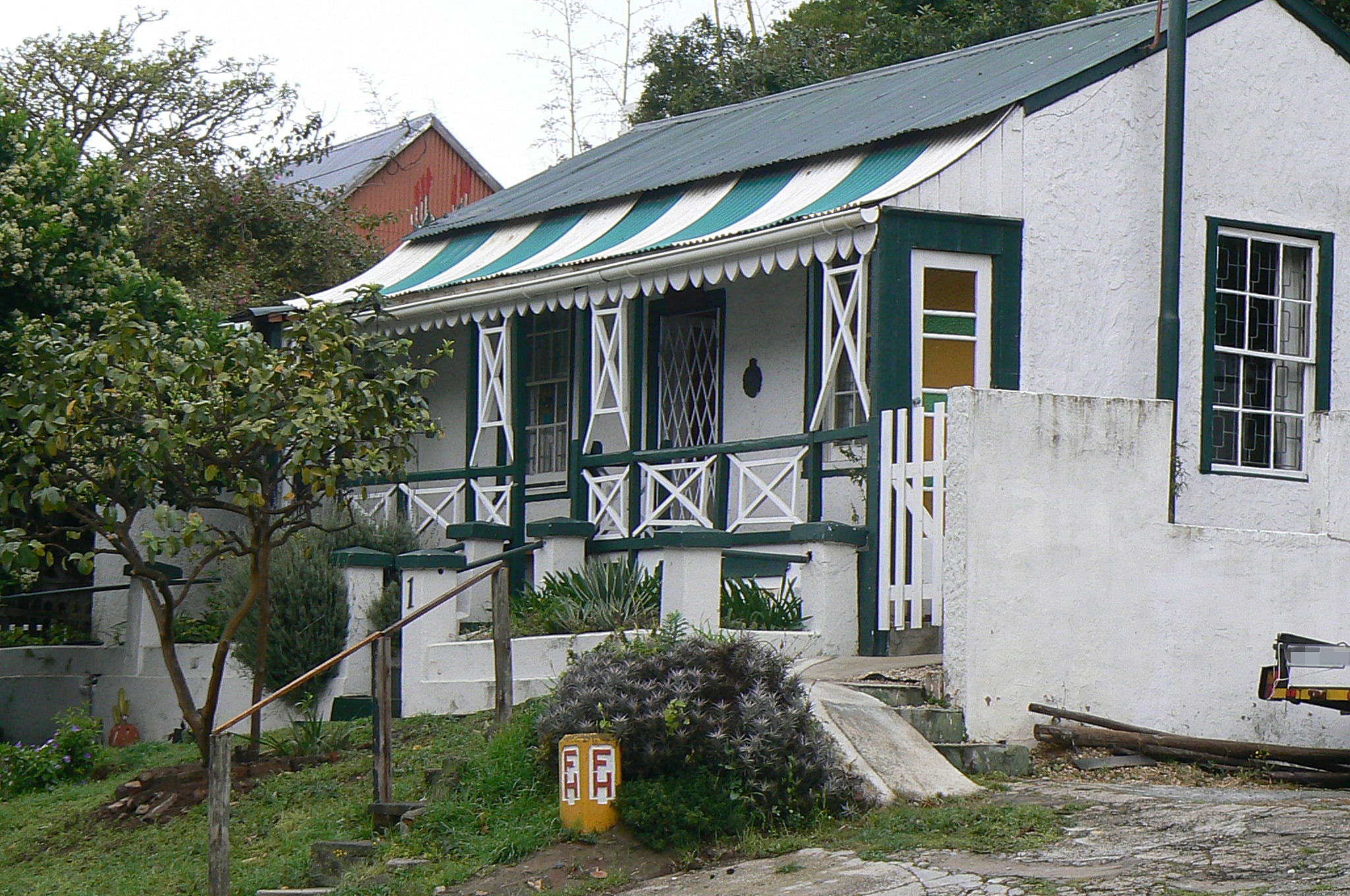

There are few financial decisions bigger than buying your first home. It is the single largest purchase most South Africans will ever make, and the process can feel overwhelming. Between transfer duties, bond applications, conveyancers, and the sheer amount of money involved, it is easy to freeze up and do nothing. But here is the truth: thousands of first-time buyers navigate this process every year, and you can too. The key is understanding each step before you get there.
This guide walks you through the entire process of buying your first home in South Africa. From figuring out how much you can actually afford, to saving for a deposit, getting a pre-approval, making an offer, and sitting in the waiting room while the transfer chugs along. By the end, you will know exactly what to expect and how much it will cost.
Let us start with the most important question most buyers get wrong.
Disclaimer: I am not a financial advisor. This information is for educational purposes only and should not be considered as financial advice. Always do your own research and consider seeking advice from a qualified financial professional before making any investment decisions.
How Much Home Can You Actually Afford?
Banks use a simple rule of thumb: your monthly bond repayment should not exceed 30% of your gross monthly income. If you earn R30,000 per month before tax, your bond repayment should stay under R9,000. But that is only part of the picture.
Banks also look at your total debt-to-income ratio. This includes your bond, car payments, store cards, personal loans, and credit cards. Most banks want your total monthly debt obligations to stay under 50% of your gross income. If you earn R30,000 and already have R5,000 in car and credit card payments, the bank will only allow a bond repayment of roughly R10,000, not R15,000.
Here is a realistic example for an R30,000 monthly income:
| Income & Debt | Amount |
|---|---|
| Gross monthly income | R30,000 |
| Existing car payment | R4,000 |
| Credit card minimum | R500 |
| Store card minimum | R300 |
| Max available for bond | R10,200 |
At the current prime lending rate of roughly 10.5%, a R10,200 monthly repayment gets you a bond of around R1,000,000 to R1,050,000 over 20 years. That buys a small apartment or a modest starter home in most South African cities.
Keep in mind that prime is a benchmark, not the rate you are guaranteed. Depending on your credit profile, deposit size, and the bank’s risk assessment, your home loan rate may be quoted as prime minus or prime plus. A strong credit score and a sizable deposit can secure you a rate below prime, which lowers your monthly repayment and increases what you can borrow. Conversely, a higher-risk profile may result in a rate above prime, pushing your monthly payment up and reducing the bond amount you qualify for. Always check the exact rate offered, not just the prime rate, when running your numbers.
If you have no other debt, the bank allows you to put up to 50% of your gross income towards a bond — R15,000 per month on a R30,000 salary. At 10.5%, that qualifies you for a bond closer to R1,500,000. That is the power of paying off your car and credit cards before you apply for a home loan. It dramatically increases what you can borrow without increasing your income.
The best tool for this is the bond calculator on any major bank’s website. Spend 10 minutes playing with the numbers before you do anything else.
The Real Cost of Buying: It Is Not Just the Purchase Price
This is where most first-time buyers get blindsided. The purchase price is only part of what you need. Here is the full breakdown for a R1,500,000 property:
| Cost Item | Estimated Amount | Notes |
|---|---|---|
| Deposit (10%) | R150,000 | Negotiable |
| Transfer duty | R8,700 | 0% on first R1.21M, 3% on remaining R290k |
| Bond registration | R18,000 | Legal fees for registering the bond |
| Conveyancing fees | R15,000 | Attorney fees for property transfer |
| Bond initiation fee | R6,000 | One-time bank fee |
| Home inspection | R2,500 | Optional but recommended |
| Total upfront cash needed | R200,200 |
Transfer Duty Rates (Effective April 2025)
Transfer duty is a tax paid to SARS when you buy property, and the rates change periodically in the national budget. The table below shows the current SARS transfer duty brackets, effective since April 2025:
| Property Value | Transfer Duty Rate |
|---|---|
| R0 – R1,210,000 | No transfer duty |
| R1,210,001 – R1,663,800 | 3% of value above R1,210,000 |
| R1,663,801 – R2,329,300 | R13,614 + 6% above R1,663,800 |
| R2,329,301 – R2,994,800 | R53,544 + 8% above R2,329,300 |
| R2,994,801 – R13,310,000 | R106,784 + 11% above R2,994,800 |
| R13,310,001 and above | R1,241,456 + 13% above R13,310,000 |
You can confirm the current rates on the SARS website or speak to your real estate agent or bond originator like BetterBonds or Ooba Home Loans.
Notice the deposit is the biggest chunk. If you can negotiate a 5% deposit instead, your upfront cash drops to roughly R50,200 plus the R75,000 deposit for a total of R125,200. That is still significant, which is why saving for a deposit is the first and hardest step.
The 105% Bond: A First-Time Buyer Option
Most first-time buyers don’t realise that some banks offer 105% bonds. This means they lend you the full purchase price plus roughly 5% extra to cover the transfer costs, bond registration, and conveyancing fees. Instead of needing R200,000+ in cash upfront, you can roll most of those costs into your bond.
Transfer costs typically run 5% to 6% of the purchase price. On a R2,650,000 property, the total came to roughly R155,000 after discounts from the conveyancer and bond originator. With a 105% bond, the extra 5% covers most of that, leaving only a small cash shortfall instead of a six-figure hurdle.
Not every property qualifies. The bank needs to be satisfied the purchase price matches the market value. If the valuation comes in lower than the price, the extra financing gets eaten up by the gap. But for first-time buyers buying at or below market value, a 105% bond can turn an impossible savings target into something achievable. Ask your bond originator or bank whether they offer this — it is not widely advertised, but it exists.
Saving for Your Deposit
A 10% deposit on a R1,500,000 home is R150,000. That is a daunting number, but it breaks down. At R5,000 per month, you can save it in 30 months. At R7,500 per month, you can save it in 20 months. At R10,000 per month, you can save it in 15 months.
Where do you park these savings while you build them up? A money market fund or a high-yield savings account makes sense. You want safety and liquidity — you do not want your deposit money invested in the stock market where it could drop 20% just before you are ready to buy.
If putting away R5,000 per month feels impossible, start with the envelope budgeting method to find where your money is going. Most people can free up R1,000 to R3,000 per month just by cutting one or two subscriptions and reducing impulse spending.
Get Pre-Approved Before You Start House Hunting
Do not look at a single property until you have a pre-approval letter from a bank. A pre-approval tells you exactly how much the bank is willing to lend you, based on your income, credit profile, and existing debt. It is not a guaranteed bond, but it is a strong indication.
Pre-approval matters for three reasons:
- You know your budget. No falling in love with a R2M property when the bank will only lend R1.2M.
- Sellers take you seriously. An offer from a pre-approved buyer is stronger than one from a buyer who still needs to find financing.
- You spot problems early. If the pre-approval comes back lower than you expected, you can work on your credit score or pay down debt before you apply for the full bond.
Getting pre-approved is free and takes about 15 minutes online through any major bank’s website. You will need your ID, latest payslip, and three months of bank statements.
Finding the Right Property
Once you know your budget, the fun part begins. Here is what first-time buyers should prioritise:
- Location first, property second. You can change almost everything about a house except where it is. A smaller home in a good area will appreciate more than a bigger home in a declining area.
- Freehold vs sectional title. A freehold house means you own the land and the building. A sectional title apartment means you own a section of a complex and share common property with neighbours. Sectional title comes with monthly levies (R1,000 to R3,000 per month) but often includes insurance, security, and maintenance.
- Check the levy and reserve fund. If you are buying sectional title, ask for the body corporate financial statements. A complex with low reserves and high special levies can add unexpected costs.
- Do not buy at the top of your budget. If the bank approves you for R1.5M, look at properties around R1.3M to R1.4M. The extra breathing room covers furniture, moving costs, and unexpected repairs.
Making an Offer to Purchase
When you find the right property, your estate agent will prepare an Offer to Purchase (OTP). This is a legally binding document, so read every clause carefully before signing.
Key things to check in the OTP:
- Purchase price and deposit. Make sure the numbers match what you agreed.
- Bond condition clause. This clause says the sale is conditional on you securing a bond within a specified period (usually 14 to 21 days). If the bank rejects your bond application, you walk away with your deposit returned.
- Occupation date. When do you take possession? Usually 30 to 60 days after the bond is registered.
- Voetstoots clause. This means you buy the property “as is.” The seller is not responsible for defects after the sale. This is normal in South Africa, which is why a home inspection before signing is wise.
- Fixtures and fittings. What stays with the property? Built-in cupboards, curtains, light fittings, the oven, the geyser? Get a list in writing.
The Bond Application Process
Once the OTP is signed, the real work begins. Your estate agent or bond originator will submit your bond application to multiple banks. A bond originator (like BetterBond or ooba) does this for free and gets paid by the bank when your bond is registered. Using one is strongly recommended because they shop your application across multiple banks at once.
The bank will assess your application based on:
- Your credit score — see our credit score guide for how to improve it before applying.
- Your income and employment stability. Permanent employment for at least six months is ideal.
- Your debt-to-income ratio. Lower is better. If you can pay off small debts before applying, do it.
- The property valuation. The bank sends a valuer to confirm the property is worth what you are paying.
Bond approval typically takes 5 to 10 business days. If approved, the bank issues a letter of acceptance with the terms — interest rate, repayment amount, and any special conditions. You sign and return it, and the conveyancing process begins.
The Transfer Process: What Happens Behind the Scenes
Once the bond is approved and accepted, the property moves into the transfer phase. This is handled by a conveyancing attorney, who is appointed by the seller’s bank but works in the interest of both parties. Here is the timeline:
- Week 1-2: Conveyancer receives the bond acceptance and starts preparing the transfer documents. You will need to provide your ID, proof of income, and signed documents.
- Week 2-4: The conveyancer lodges the transfer documents with the Deeds Office. This is where the title deed changes from the seller’s name to yours.
- Week 4-6: The Deeds Office processes the transfer. This is the part that takes the longest and is completely outside anyone’s control. Delays are normal.
- Week 6-8: The transfer is registered. The seller is paid. The bank activates your bond account. You get the keys.
The entire process takes 6 to 10 weeks on average. Patience is essential. Do not book a moving truck until the conveyancer confirms the registration date.
FLISP and First-Home Buyer Subsidies
The Finance Linked Individual Subsidy Programme (FLISP) is a government subsidy for first-time home buyers earning between R3,501 and R22,000 per month. The subsidy ranges from R27,960 to R131,265 depending on your income bracket, and is paid directly to the bank to reduce your bond amount.
FLISP is administered through the National Housing Finance Corporation (NHFC). You apply through your bank when you apply for your bond. Not every bank participates, so ask upfront. The subsidy is a once-in-a-lifetime benefit, so if you qualify, do not leave it on the table.
Some provinces also offer additional first-home buyer programs. Check with your provincial housing department to see what is available in your area.
Hidden Costs After You Move In
Buying the home is not the end of the costs. Here is what you will spend in the first three months of ownership:
- Rates and taxes. Municipal charges for water, electricity, refuse, and property tax. Expect R800 to R2,000+ per month depending on the property value and municipality.
- Homeowner’s insurance. The bank requires you to insure the building. Expect R500 to R1,000+ per month.
- Life insurance. The bank may require a life insurance policy covering the bond amount. This ensures the bond is paid off if something happens to you.
- Furniture and appliances. Your first home probably needs a fridge, washing machine, bed, and other basics. Budget R30,000 to R80,000 for essential items.
- Moving costs. Hire a moving company or rent a trailer. Budget R3,000 to R30,000+
- Emergency repairs fund. Something will break in the first year. A geyser, a leaking roof, a broken gate motor. Set aside R10,000 to R20,000 as a mini emergency fund for the house specifically.
Common First-Time Buyer Mistakes
- Buying without a pre-approval. You fall in love with a home, make an offer, and then discover the bank will not lend you enough. Heartbreak and wasted time.
- Forgetting the upfront costs. Transfer duty, bond registration, conveyancing, and the deposit are significant. Do not drain your entire savings on the deposit and have nothing left for the other costs.
- Skipping the home inspection. R2,500 spent on an inspector could save you R50,000 in hidden defects. Electrical problems, roof leaks, foundation cracks, and damp issues are often invisible to an untrained eye.
- Maxing out your budget. If the bank approves you for R2M, do not buy at R2M. Interest rates change. Life happens. Leave yourself breathing room.
- Not reading the OTP. The Offer to Purchase is a legal contract. Read it. Question clauses you do not understand. Get a lawyer to review it if needed.
- Ignoring the levy and reserve fund. A sectional title complex with no reserve fund can hit you with a massive special levy for roof repairs or painting. Check the body corporate financials.
Key Takeaways
- Your bond repayment should not exceed 30% of your gross income, and total debt should stay under 50%.
- The upfront costs are significant. For a R1.5M home, budget roughly R200,000 in cash for the deposit, transfer costs, and fees.
- Get pre-approved before you start house hunting. It is free and takes 15 minutes.
- Use a bond originator to shop your application across multiple banks at no cost to you.
- Check if you qualify for FLISP — it is a government subsidy worth up to R130,000 for first-time buyers.
- Budget for post-move costs: rates, insurance, furniture, and an emergency repair fund.
- Read your Offer to Purchase carefully and consider a home inspection before signing.
Disclaimer: This article is for informational purposes only and does not constitute financial, legal, or property advice. Transfer duty rates, interest rates, and subsidy programs change over time. Consult a qualified bond originator, conveyancing attorney, and financial advisor for personalised guidance.